
Discover Malawi
Tourism & Culture
Malawi is known as the Warm Heart of Africa — for the welcome of its people as much as for its landscapes. Compact in size and rich in contrast, it brings together a great freshwater lake, high mountains and plateaux, uncrowded wildlife reserves and a living cultural heritage, all within short distances of one another.
For travellers from Mauritius, Malawi is a different kind of holiday: an inland sea with sandy beaches instead of the ocean, safaris by boat and on foot, and mountain trails above tea estates.
Why Visit Malawi
A lake like a sea
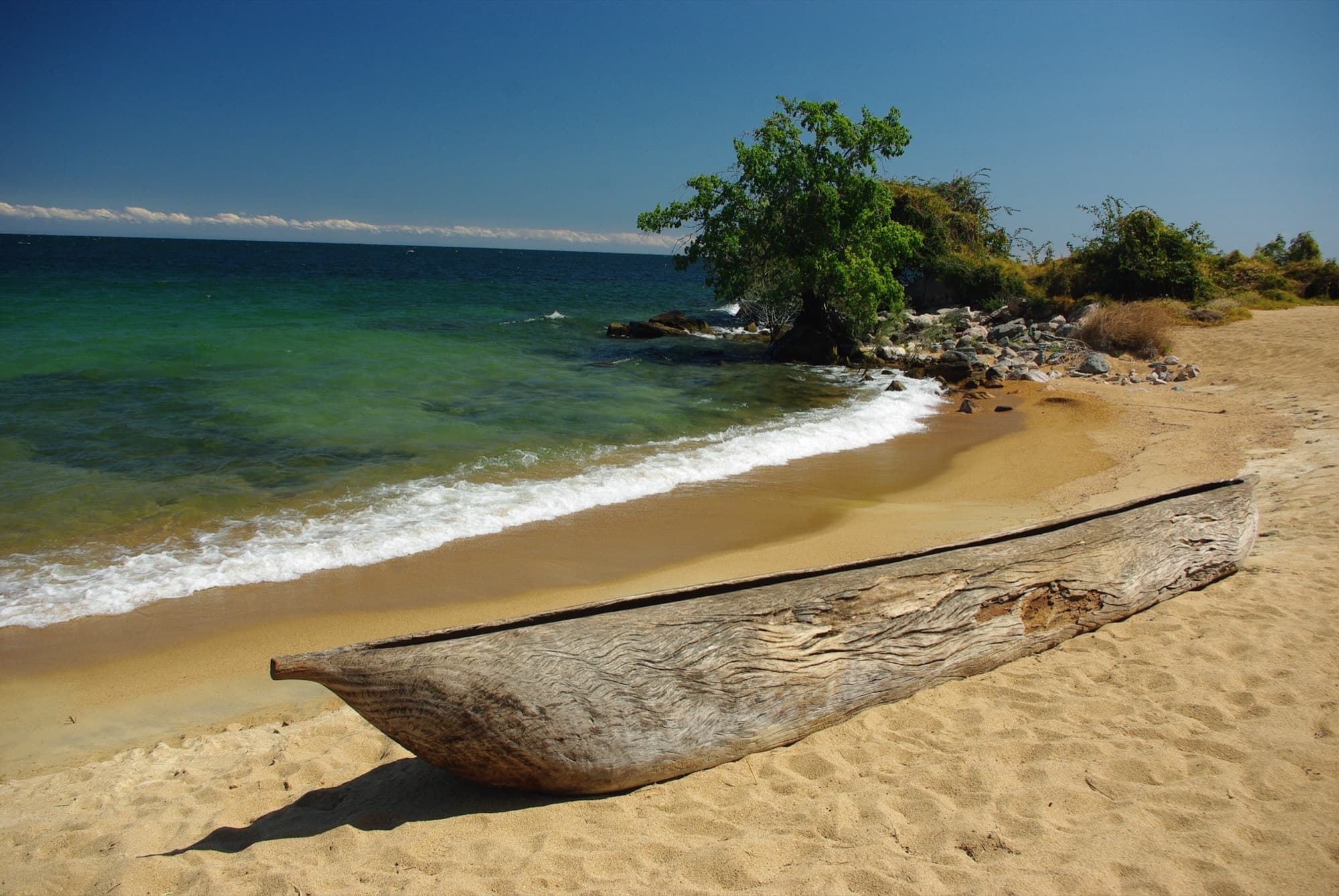
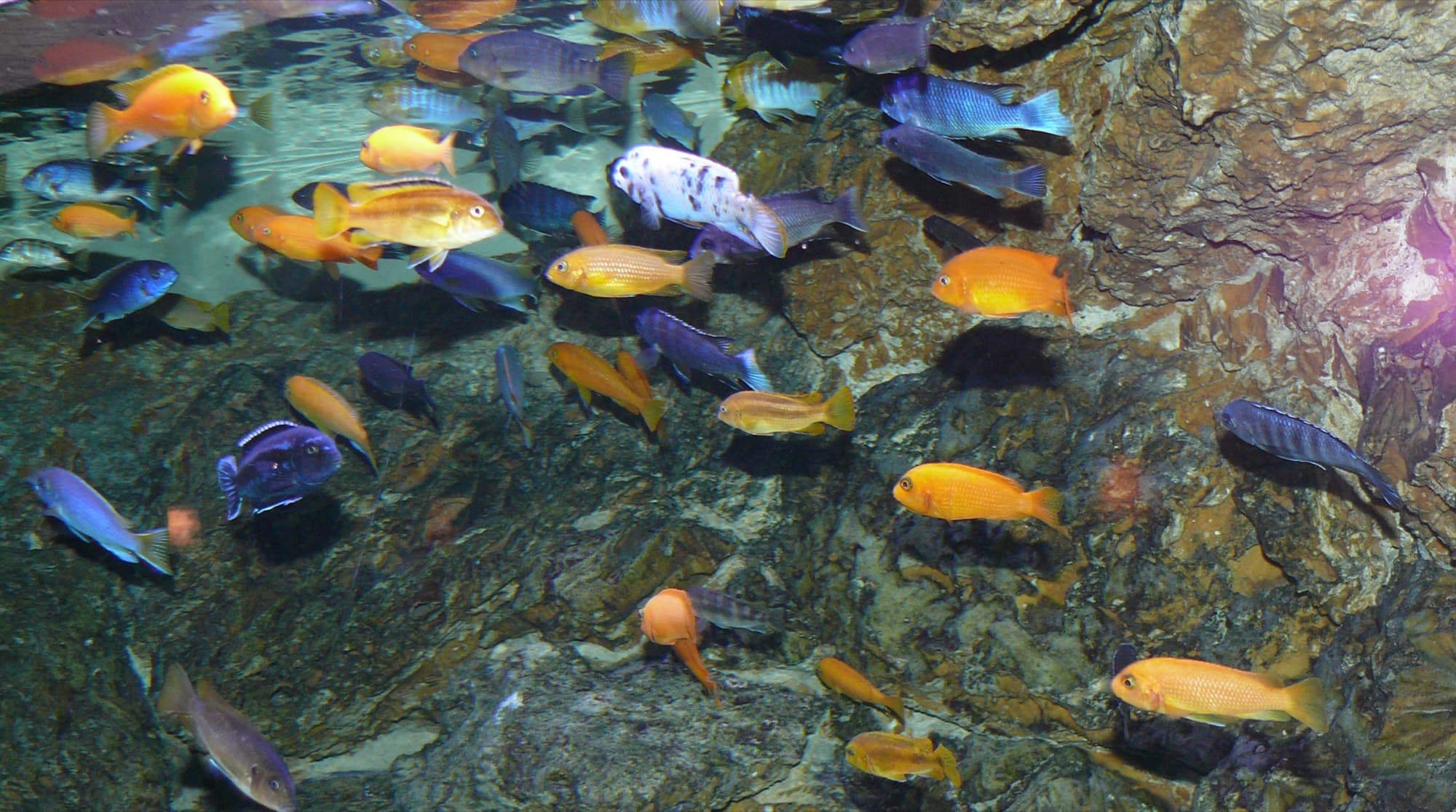
Lake Malawi is the third-largest lake in Africa, with clear water, sandy beaches and hundreds of species of colourful cichlid fish found nowhere else.
Three World Heritage Sites
Lake Malawi National Park (1984), the Chongoni Rock-Art Area (2006) and the Mount Mulanje Cultural Landscape (2025) are inscribed on the UNESCO World Heritage List.
Living heritage
Six Malawian traditions — among them the Gule Wamkulu, the Vimbuza healing dance and the culinary tradition of nsima — are on UNESCO's Representative List of the Intangible Cultural Heritage of Humanity.
Uncrowded safaris
Five national parks and four wildlife reserves offer game viewing by vehicle, by boat and on foot, far from the crowds.
Birdlife
More than 650 bird species have been recorded, from the African fish eagle to Lilian's lovebird.
Conservation success
Elephant, lion, cheetah and black rhino have returned to reserves that were once depleted, thanks to long-term partnerships between the Government and conservation organisations.
Mountains and plateaux
Mount Mulanje, the Zomba Plateau and the Nyika Plateau invite hiking, climbing and mountain biking in cool highland air.
Short distances
Lake, mountains, wildlife and culture can be combined in a journey of seven to ten days, starting from Lilongwe or Blantyre.
A warm welcome
English is widely spoken, and Malawians are known for their friendliness towards visitors.
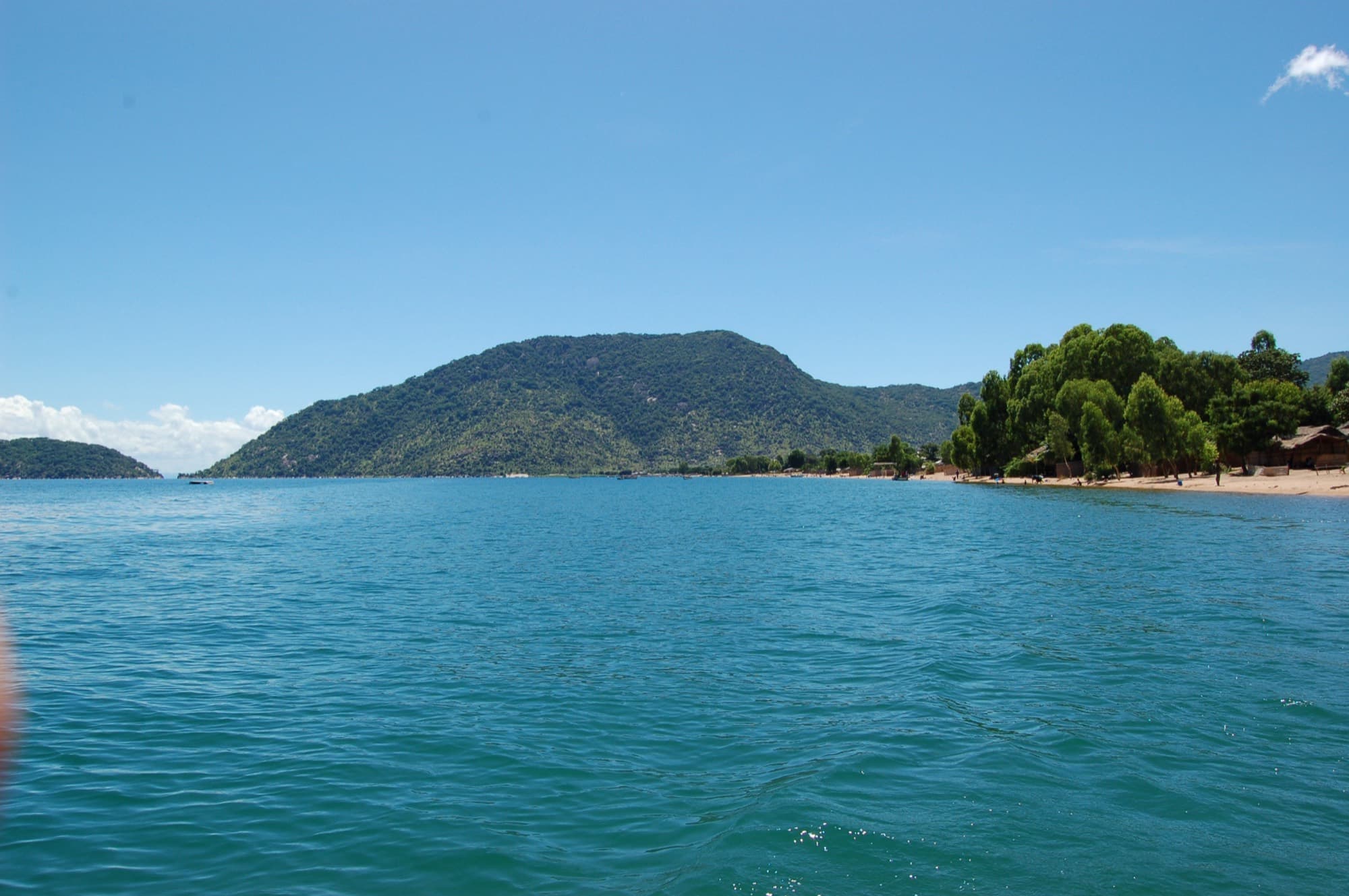
Lake Malawi National Park
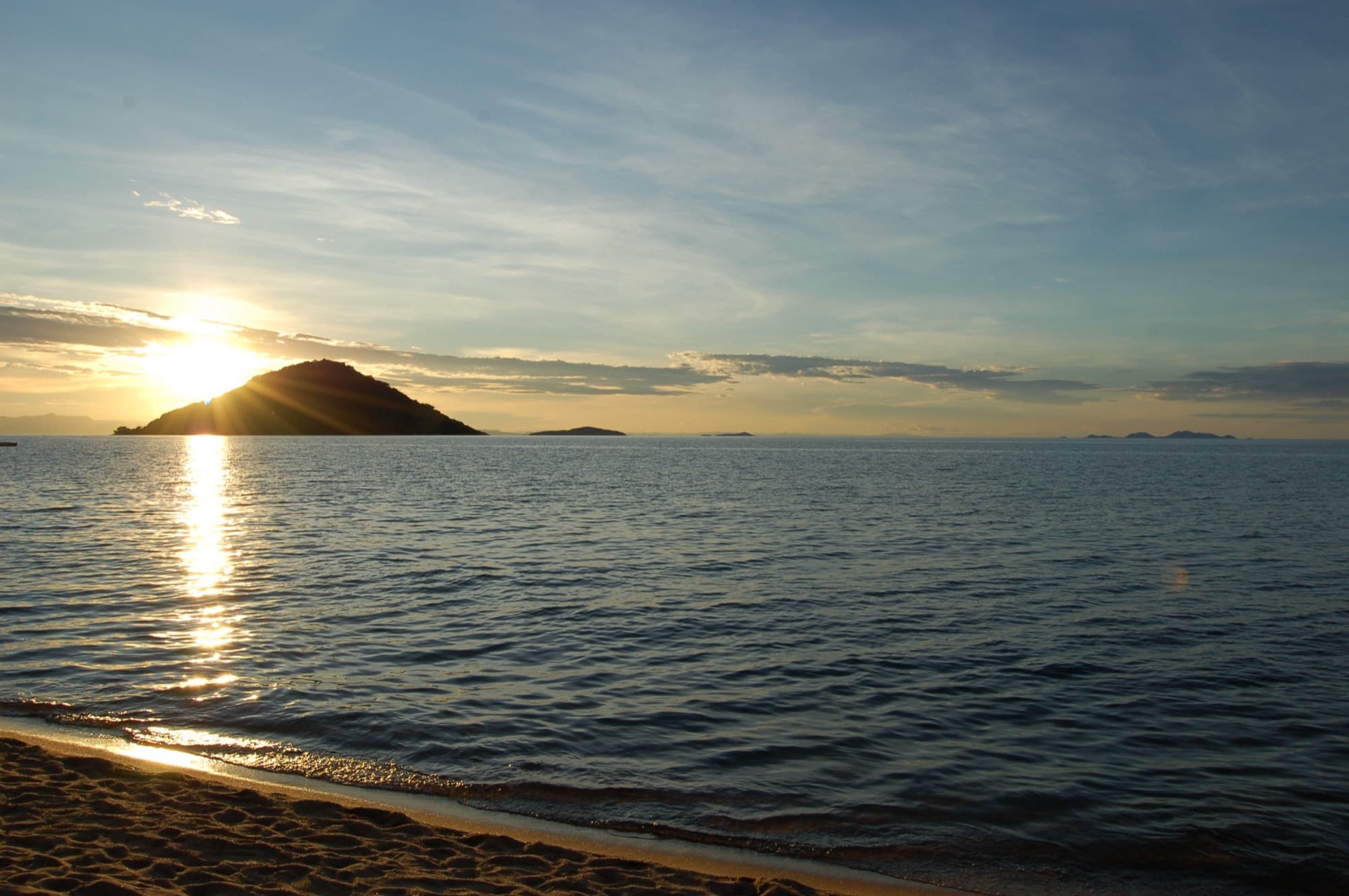
At the southern end of the lake, around Cape Maclear and the Nankumba Peninsula, lies Lake Malawi National Park — a UNESCO World Heritage Site since 1984. Wooded granite hills fall steeply to sandy bays, and a scatter of islands lies offshore.
The park protects many hundreds of species of cichlid fish, known locally as mbuna, nearly all of which live only in Lake Malawi. UNESCO compares their importance for the study of evolution to that of the finches of the Galápagos Islands.
For visitors this means snorkelling and diving among brightly coloured fish in fresh, clear water, kayaking to the islands, sailing, and evenings in the fishing village of Chembe as the sun sets over the lake. Elsewhere along the shore — at Mangochi, Senga Bay, Nkhotakota, Chintheche and Nkhata Bay — beaches and lodges line the water.
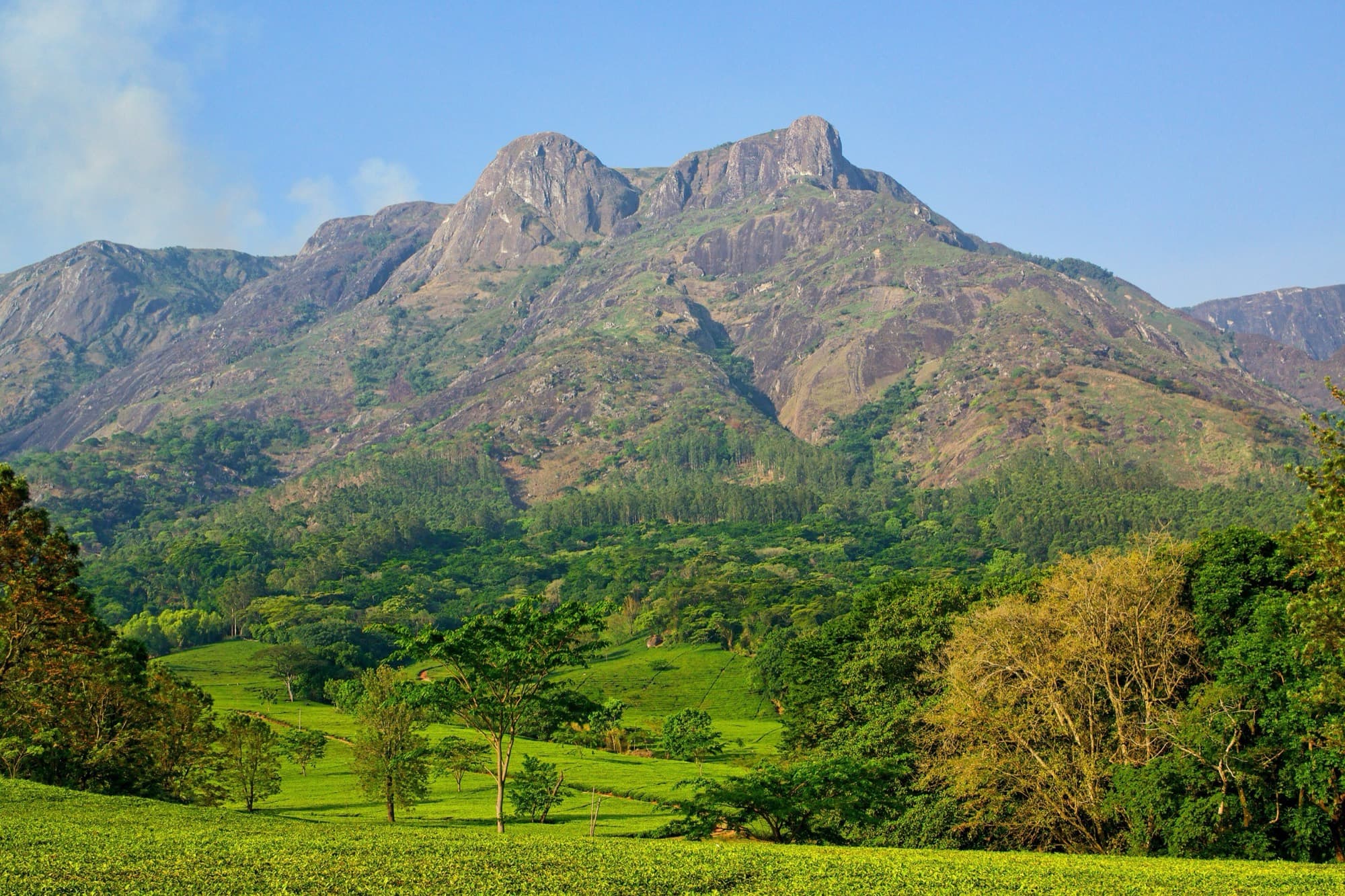
Mount Mulanje
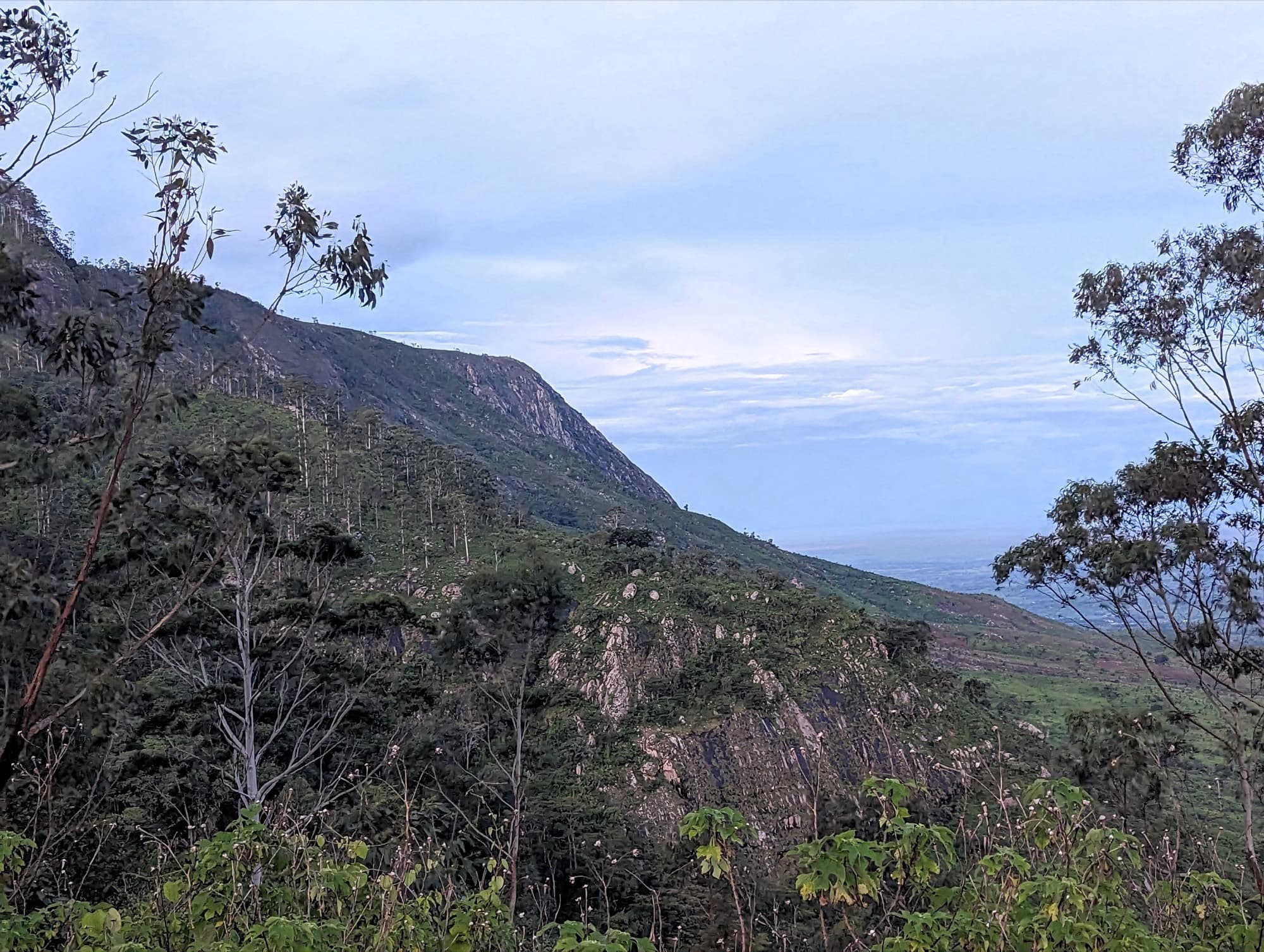
In the south, the Mulanje Massif rises abruptly from the plain and its tea estates. Sapitwa Peak, at 3,002 metres, is the highest point in Malawi, and the mountain is one of the largest inselbergs in the world.
Mulanje is more than a hiking destination. The Yao, Mang'anja and Lhomwe peoples revere it as a sacred place, home to spirits and ancestors. In 2025 UNESCO inscribed the Mount Mulanje Cultural Landscape on the World Heritage List.
Marked trails and mountain huts make multi-day treks possible, past waterfalls, rock pools and stands of Mulanje cedar, Malawi's national tree. At the foot of the mountain, the tea estates of Mulanje and Thyolo welcome visitors.
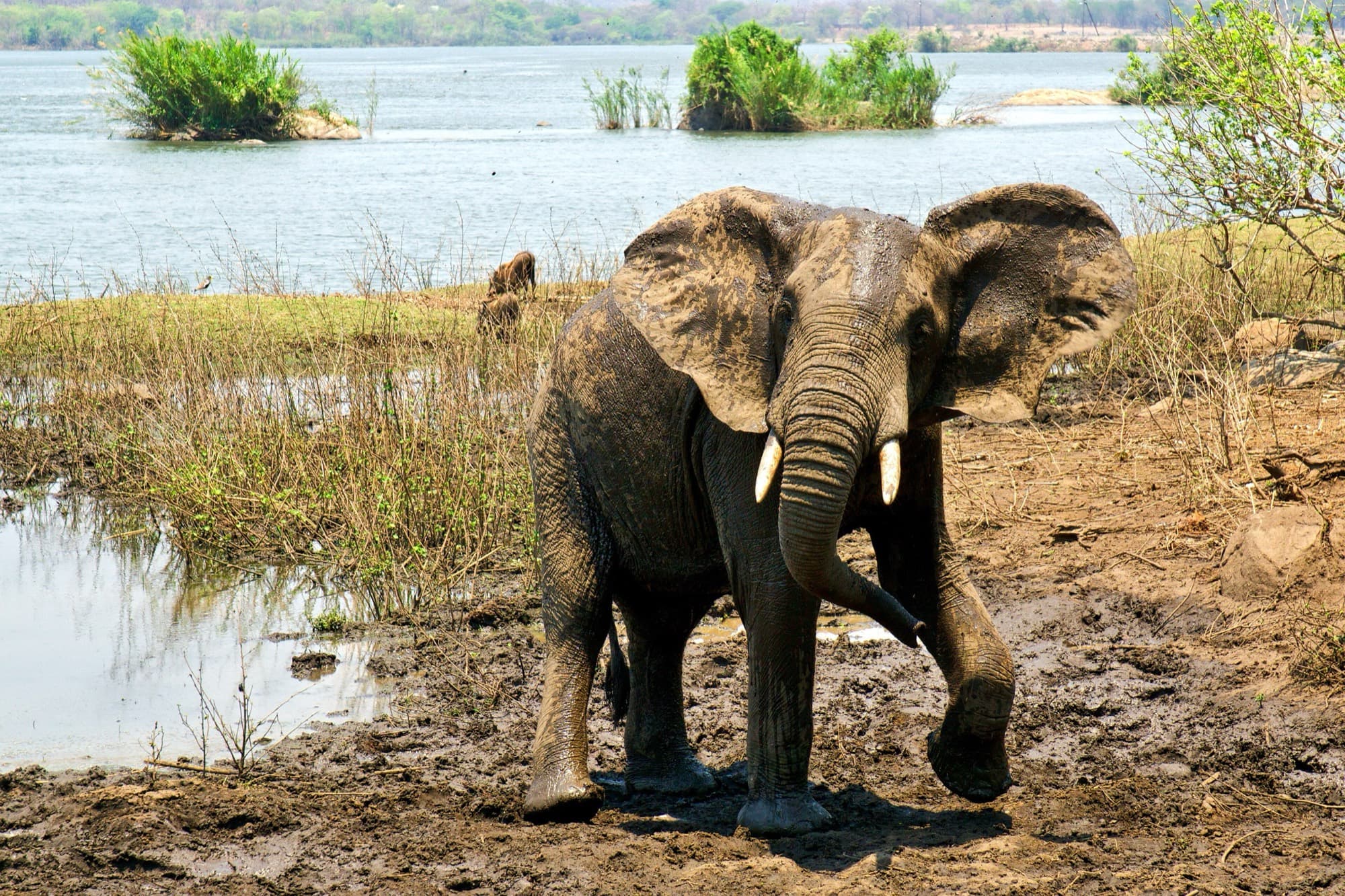
Wildlife and Safaris
Liwonde National Park, on the Shire River south of the lake, is Malawi's best-known safari destination. Boat safaris glide past elephants, hippos and crocodiles; game drives and walks explore floodplain and woodland. Since 2015 the park has been managed by the Department of National Parks and Wildlife in partnership with African Parks, and cheetah, lion and black rhino have been reintroduced. More than 400 bird species have been recorded.
Majete Wildlife Reserve in the Lower Shire Valley tells a similar story of renewal. Under a partnership that began in 2003, rhino, elephant and lion were brought back, and Majete is today a “Big Five” reserve of about 700 square kilometres.
These parks show how tourism supports conservation and the communities that live around the protected areas.
More Places to Discover
From the islands of the lake to the plateaux of the north — a selection of destinations across the country.
Likoma Island
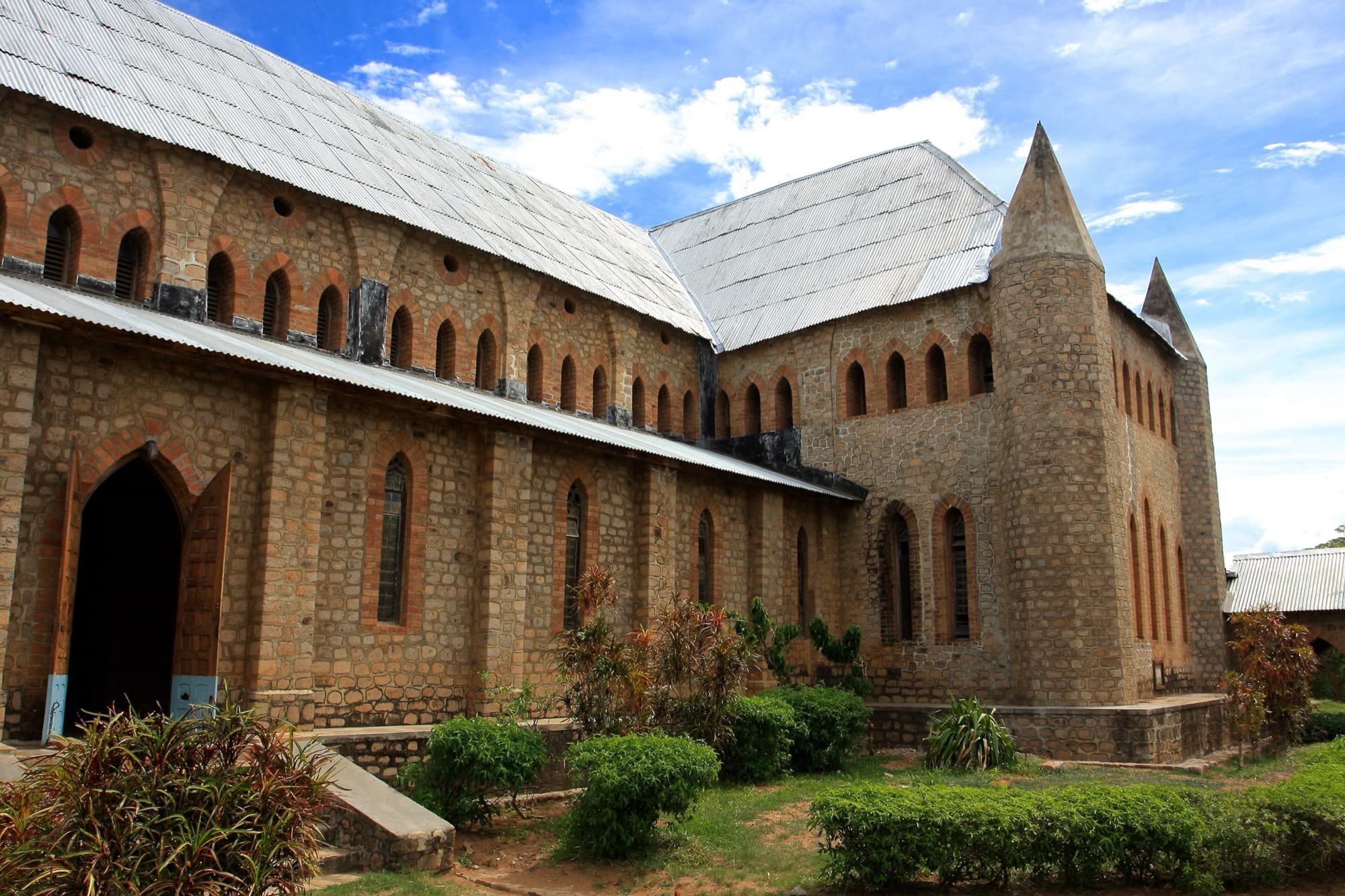
A quiet island in the lake close to the Mozambican shore, reached by boat or light aircraft. Its large stone cathedral of St Peter was built by Anglican missionaries in the early 1900s.
Zomba Plateau
Above the former capital, Zomba, a forested plateau with streams, waterfalls and far-reaching viewpoints — ideal for walking and mountain biking.
Nyika National Park
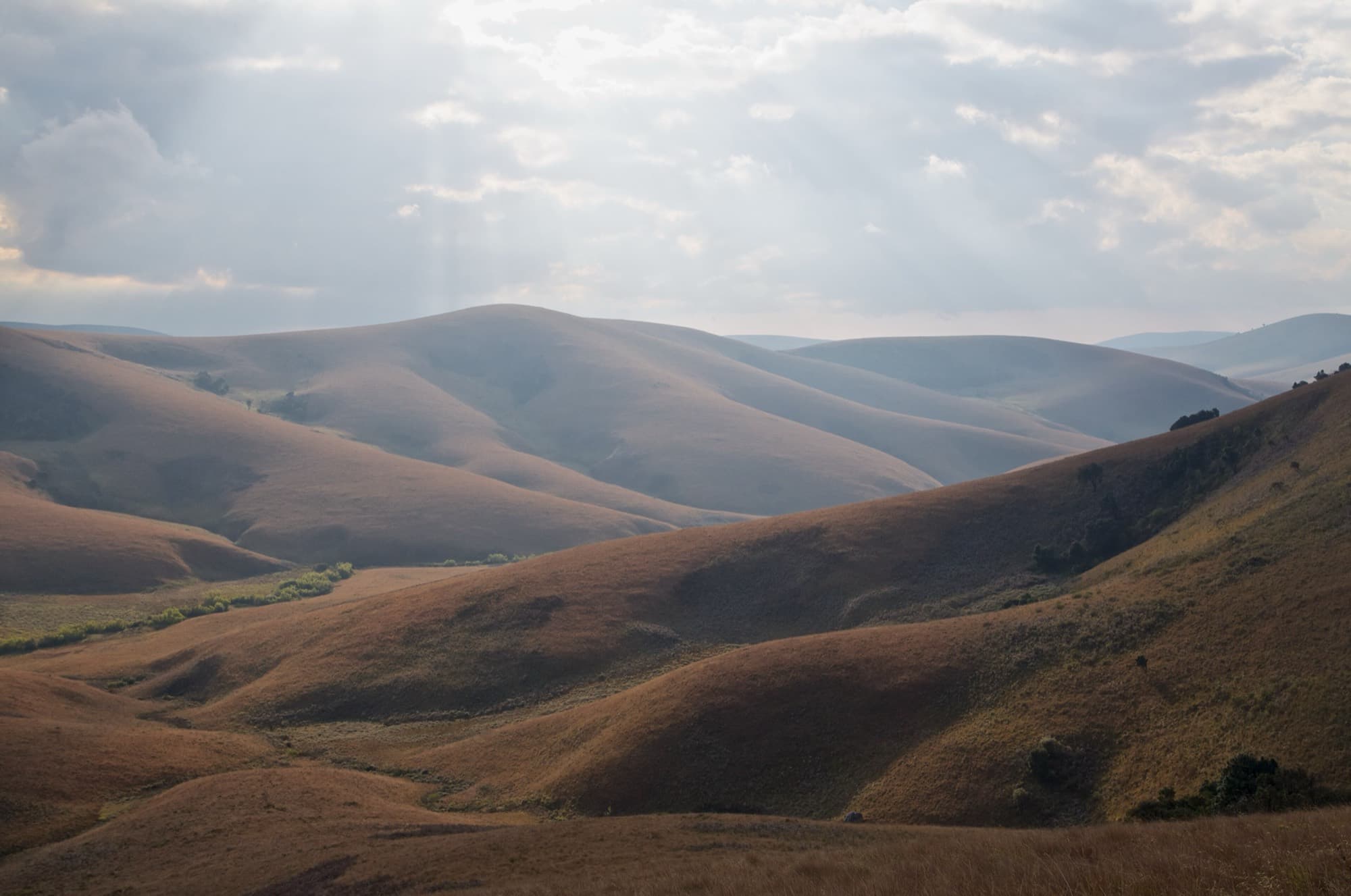
Rolling montane grassland above 2,000 metres in the north, with zebra and antelope, rare birds such as the wattled crane, and wild flowers in the rainy season.
Nkhotakota Wildlife Reserve
Some 1,800 square kilometres of rugged miombo woodland between the Rift Valley escarpment and the lake. Almost 500 elephants and some 2,000 other animals were reintroduced here in 2017.
Chongoni Rock-Art Area
In the granite hills near Dedza, 127 sites hold the richest concentration of rock art in Central Africa, painted by hunter-gatherers and by Chewa farmers. A UNESCO World Heritage Site since 2006.
Lilongwe, Blantyre, Mzuzu and Zomba
The capital Lilongwe with its markets and wildlife centre; Blantyre, the commercial city that grew from a Scottish mission; Mzuzu, gateway to the north; and Zomba with its colonial-era buildings.
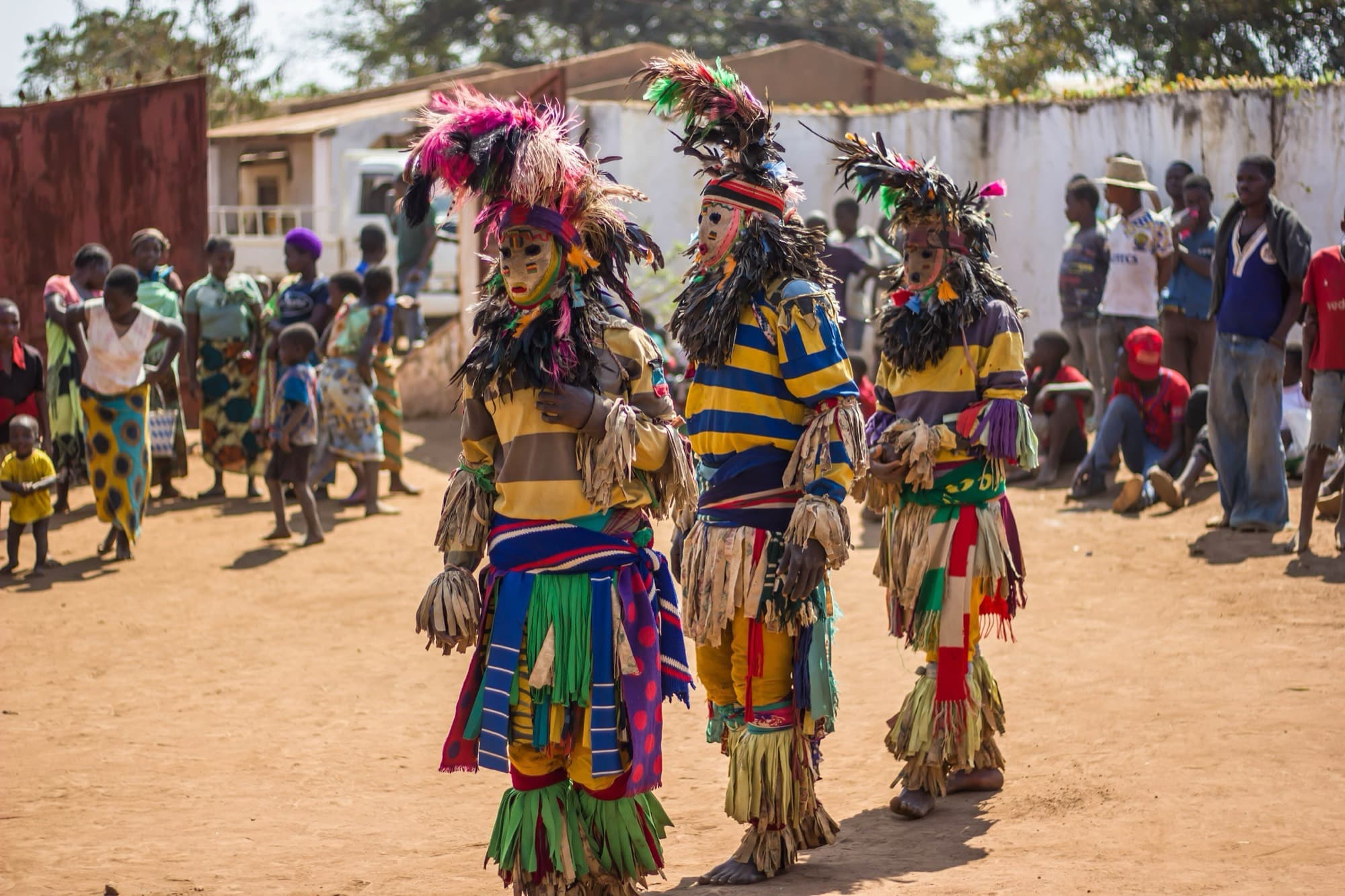
Culture & Heritage
Malawi's people belong to many communities — Chewa, Lomwe, Yao, Ngoni, Tumbuka, Tonga, Sena, Ngonde and others — each with its own language, dances, music and crafts. What they share is a strong sense of community and of hospitality: a guest is always offered food.
The best-known tradition is the Gule Wamkulu, the “great dance” of the Chewa. Masked dancers in costumes of wood and straw, representing spirits and many other characters, perform at initiations, weddings, funerals and the installation of chiefs. UNESCO recognises it as part of the intangible heritage of humanity.
Visitors can meet this heritage at first hand: in village visits and home-stays, at the Museum of Malawi in Blantyre, at Mua Mission near the lake, or at cultural festivals around the country.
Traditions, Music and Food
Gule Wamkulu
The masked dance of the Chewa people, also practised in Zambia and Mozambique. On the UNESCO Representative List since 2008.
Vimbuza
A healing dance of the Tumbuka people in northern Malawi, combining drumming, song and movement. Also inscribed by UNESCO in 2008.
Tchopa and Mwinoghe
Tchopa is a dance of the Lhomwe communities of the south, performed after good harvests and in offerings to the ancestors; Mwinoghe is a joyous dance from the far north. Inscribed in 2014 and 2018.
Music
Drums accompany most traditional dances, and the mbira or sansi, a finger-plucked instrument, is recognised by UNESCO together with Zimbabwe. The Lake of Stars festival, first held in 2004, has brought Malawian and international artists to the lakeshore.
Crafts
Wood carving, basketry, pottery — Dedza is known for its ceramics — and the brightly printed chitenje cloth worn by women throughout the country.
Cuisine
The staple is nsima, a thick maize porridge eaten by hand with a relish of vegetables, beans, meat or fish; its culinary tradition is on the UNESCO list. From the lake comes chambo, the best-known fish of Lake Malawi.
Planning Your Trip
Practical information for travellers from Mauritius. Conditions can change — please check with the official sources linked below before you travel.
When to go
The dry season from May to October is the best time for game viewing, hiking and travelling around; it is coolest from June to August. From November to April it is warm and rainy, the landscape is green and birdwatching is at its best. The lake can be enjoyed all year.
Getting there from Mauritius
There are currently no direct flights between Mauritius and Malawi. The usual connections are via Johannesburg, with onward flights to Lilongwe and Blantyre, or via Nairobi to Lilongwe. Malawi's international airports are Kamuzu International (Lilongwe) and Chileka International (Blantyre). Please check current schedules with the airlines.
Entry and visas
Visas are applied for online through the Government of Malawi's e-Visa portal. See our Visa & Immigration page for who needs a visa, the categories and the documents required.
Health
Malaria occurs in Malawi, and vaccination or other health requirements may apply. Please consult your doctor or a travel clinic well before departure and follow the advice of the health authorities.
Money
The currency is the Malawian kwacha (MWK). Banks, cash machines and exchange bureaux are found in the cities and larger towns; in rural areas and at the lake it is wise to carry cash.
Good to know
Malawi is two hours behind Mauritius (UTC+2). The electricity supply is 220–240 volts with British-style three-pin plugs. English is widely spoken.
Impressions of Malawi
Tourism Resources
- Visit Malawi — Department of TourismThe official tourism website: destinations, accommodation, tour operators and travel information.
- Department of National Parks and WildlifeThe authority responsible for Malawi's national parks and wildlife reserves.
- Malawi e-VisaOfficial portal for online visa applications.
- African ParksConservation partner of the Government in Liwonde, Majete and Nkhotakota.
- UNESCO World Heritage in MalawiLake Malawi National Park, Chongoni Rock-Art Area and Mount Mulanje Cultural Landscape.
- UNESCO Intangible Heritage in MalawiGule Wamkulu, Vimbuza, Tchopa, nsima, Mwinoghe and the mbira/sansi.
Planning a journey to Malawi?
Check the entry requirements first — and contact the Consulate General if you have questions about travelling to Malawi from Mauritius.