
Discover Malawi
Malawi at a Glance
The Republic of Malawi is a peaceful, landlocked country in south-eastern Africa, set along the Great Rift Valley and the long western shore of Lake Malawi. Its people's hospitality has earned it the name “the Warm Heart of Africa”.
This page brings together the essential facts: the land and its people, a short history, how the country is governed, and the meaning of the national flag and coat of arms.
Key Facts
Official name
Republic of Malawi
Capital
Lilongwe — seat of government since 1975
Largest cities
Lilongwe, Blantyre, Mzuzu and Zomba
Area
118,484 km², of which about one fifth is the Malawian part of Lake Malawi
Population
17,563,749 at the 2018 Population and Housing Census; about 22.2 million in 2025 (World Bank estimate)
Languages
English and Chichewa; Chitumbuka, Chiyao, Chilomwe, Chisena and other languages are widely spoken
Currency
Malawian kwacha (MWK), divided into 100 tambala
Time zone
Central Africa Time, UTC+2 all year — two hours behind Mauritius (UTC+4)
Independence
6 July 1964; a republic since 6 July 1966
National day
6 July, Independence Day
National motto
“Unity and Freedom”
Head of State
His Excellency Prof. Arthur Peter Mutharika, President since 4 October 2025
Neighbours
Tanzania to the north and north-east, Mozambique to the east, south and south-west, Zambia to the west
Calling code
+265 (internet domain .mw)
Memberships
United Nations, African Union, Commonwealth, SADC and COMESA
The land
Geography & Climate
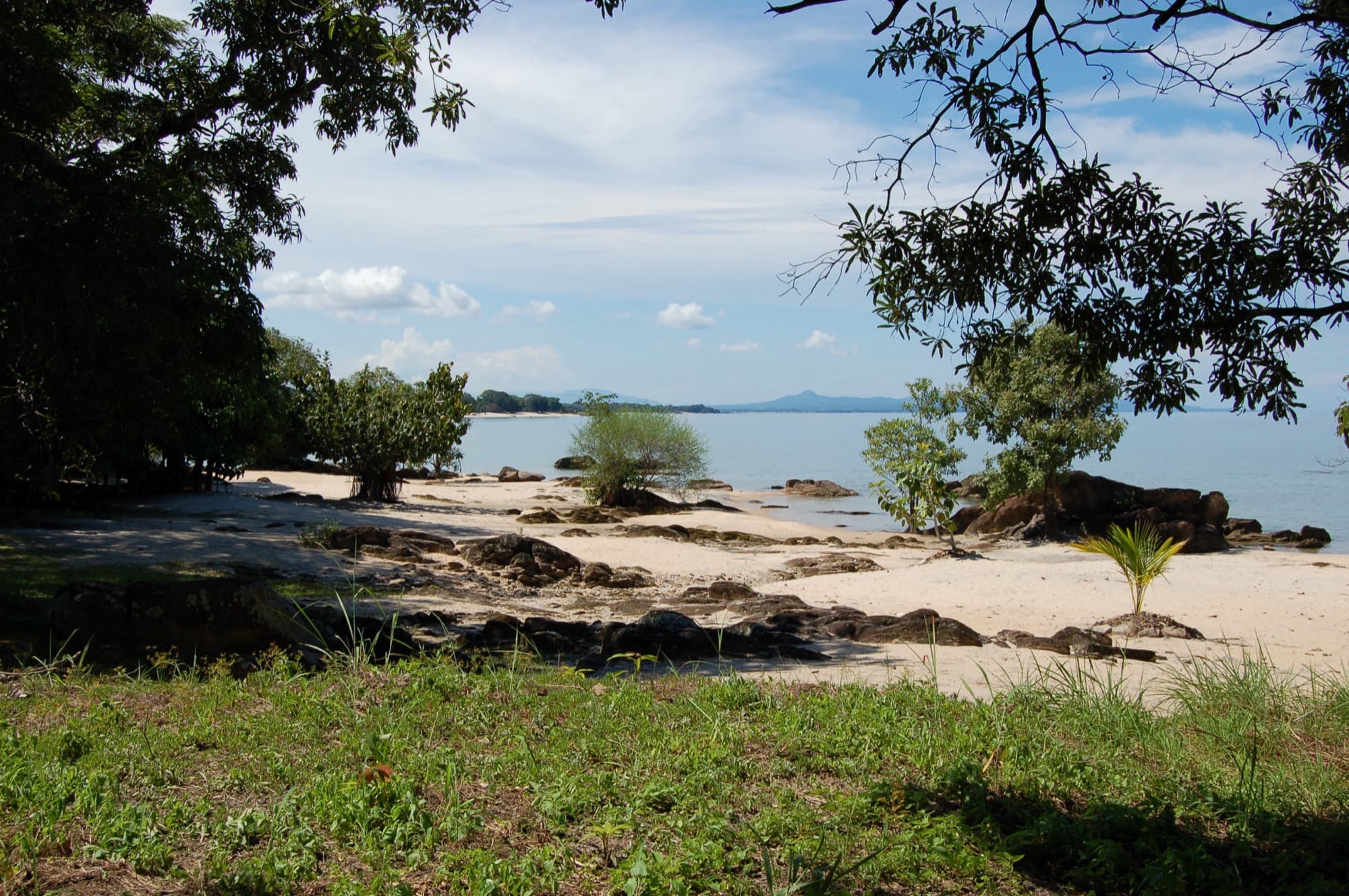
Malawi stretches some 900 kilometres from north to south and between 80 and 160 kilometres from east to west. The southern end of Africa's Great Rift Valley runs the length of the country, and Lake Malawi fills much of it: about 580 kilometres long, it is the third-largest lake in Africa and is shared with Tanzania and Mozambique. The Shire River drains the lake southwards to the Zambezi.
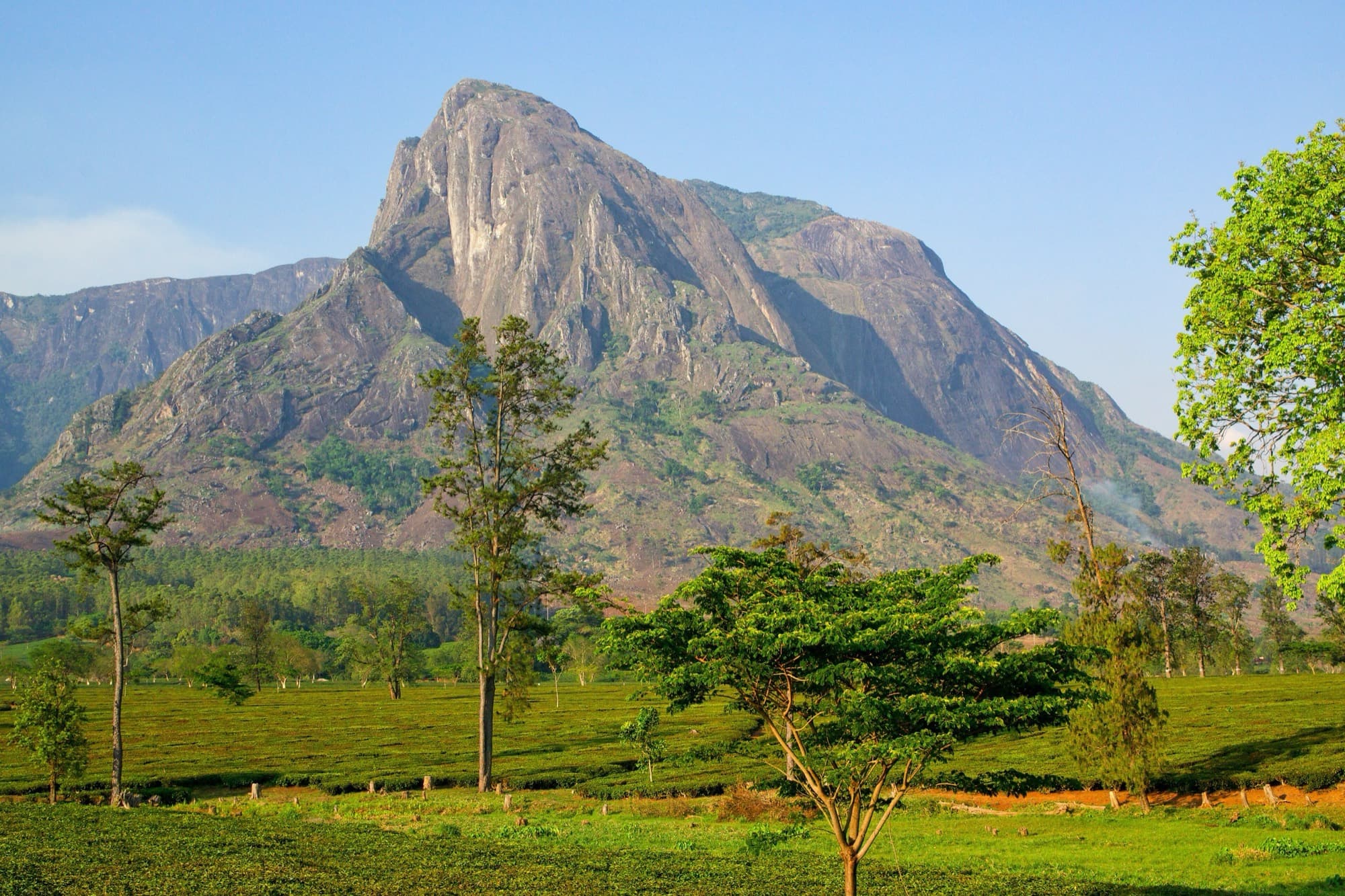
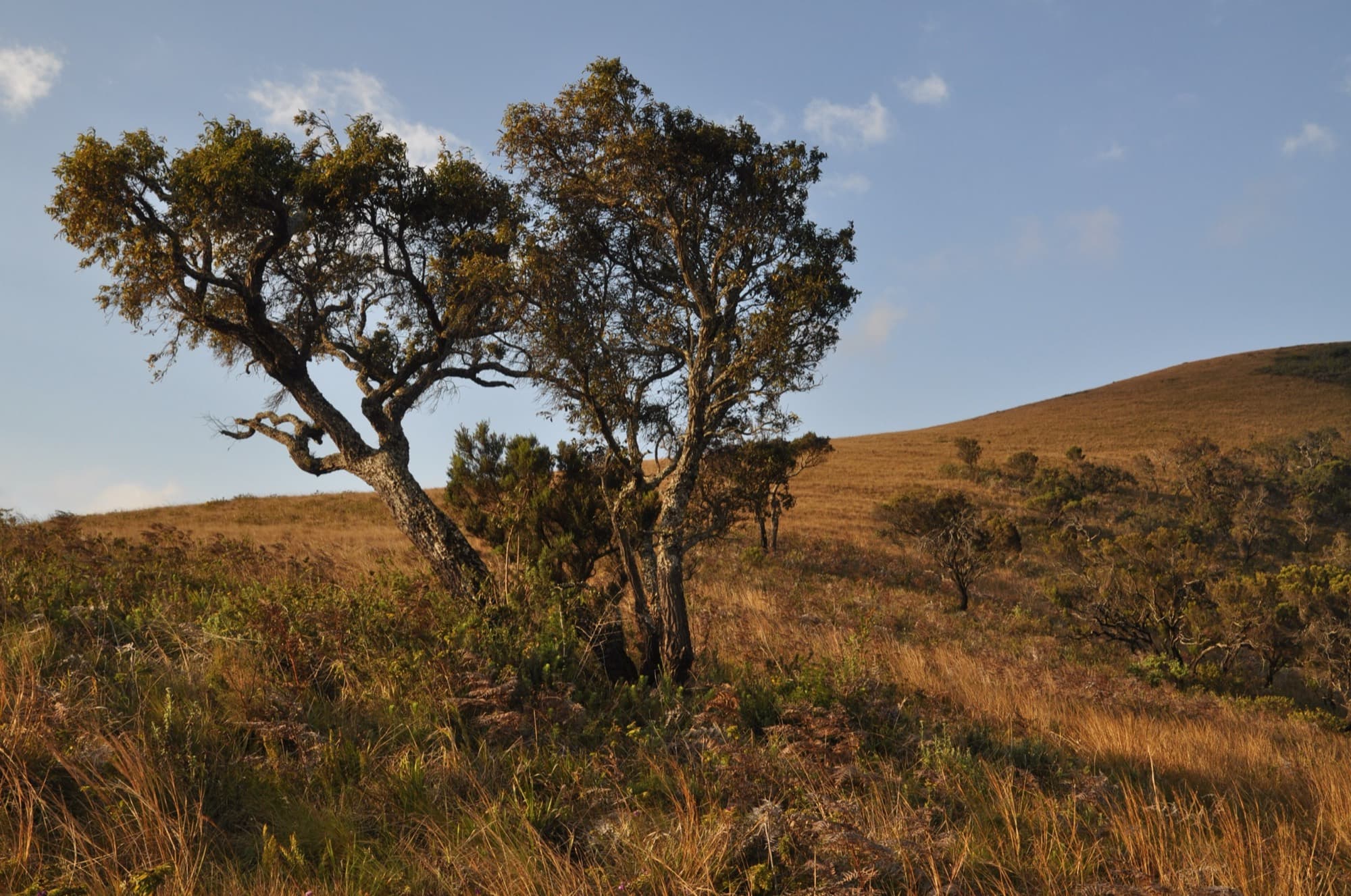
West and south of the lake the land rises to high plateaux and mountains — the Nyika and Viphya in the north, the Dedza highlands and Zomba Plateau, and the Mulanje Massif in the south, whose Sapitwa Peak reaches 3,002 metres and is the highest point in the country. Savannah woodland is the predominant vegetation, with evergreen forest on the mountains and along the rivers.
The climate is subtropical and shaped by altitude. There are two main seasons: a warm, wet season from November to April and a dry season from May to October. May to August is cool and dry, with July the mid-winter month; September and October are hot and dry before the rains return. The lakeshore and the Shire Valley are warmer than the highlands throughout the year.
Like Mauritius, Malawi lies in the southern hemisphere, so the cool, dry months fall at the same time of year in both countries.
Landscapes of Malawi
The nation
People & Languages
Malawi counted 17,563,749 inhabitants at the 2018 Population and Housing Census of the National Statistical Office — 186 people per square kilometre, which makes it one of the more densely populated countries in Africa. The World Bank estimates the population at about 22.2 million in 2025. It is a young nation, and most Malawians live in rural areas.
The country is divided into three regions — Northern, Central and Southern. Its people are of Bantu origin and belong to many communities, among them the Chewa, Lomwe, Yao, Ngoni, Tumbuka, Sena, Tonga and Ngonde. Each has its own traditions of dance, music and craft, yet all share a strong sense of community and of belonging to one nation.
English and Chichewa are the languages of public life. Laws and official records are written in English, which is also the language of Parliament, business and education; Chichewa is understood almost everywhere. Chitumbuka is widely spoken in the north, Chiyao along the southern lakeshore, and Chilomwe and Chisena in the south.
Malawians practise their faiths freely. At the 2018 census about 77 per cent of the population were Christian and about 14 per cent Muslim.
History in Brief
From the Maravi kingdom, which gave the country its name, to a multi-party democracy that has held regular elections since 1994.
16th century
The Maravi kingdom
A trading kingdom of the Maravi people flourishes around the lake. Modern Malawi takes its name from it.
1859
David Livingstone reaches the lake
The Scottish missionary and explorer reaches the lake he calls Lake Nyasa. Missions follow, at Cape Maclear in 1875 and at Blantyre in 1876.
1891
British protectorate
Britain declares a protectorate, known from 1893 as the British Central Africa Protectorate and from 1907 as Nyasaland.
1915
The Chilembwe uprising
The Reverend John Chilembwe leads a rising against colonial rule in Chiradzulu. He is remembered every year on 15 January.
1944
Nyasaland African Congress
The first organised political movement of the African majority is founded.
1953
Federation of Rhodesia and Nyasaland
Nyasaland is joined to the Federation despite African opposition.
3 March 1959
State of emergency
The colonial government declares a state of emergency and bans the Congress. Those who lost their lives in the struggle for freedom are honoured on Martyrs' Day.
6 July 1964
Independence
Nyasaland becomes the independent state of Malawi, with Dr Hastings Kamuzu Banda as Prime Minister.
6 July 1966
Republic
Malawi becomes a republic and Dr Banda its first President. The country is governed as a one-party state.
14 June 1993
Referendum
Malawians vote in a national referendum for a return to multi-party democracy.
1994
Multi-party elections
The first multi-party general elections are held and Dr Bakili Muluzi is elected President. Elections have been held regularly ever since.
2012
First woman Head of State
Dr Joyce Banda, then Vice-President, succeeds the late President Bingu wa Mutharika.
2025
General election
Following the general election of 16 September 2025, Prof. Arthur Peter Mutharika is sworn in as President on 4 October 2025.
The state
Government
Malawi is a presidential republic and a multi-party democracy. Its Constitution, in force since 1994, divides the powers of the state among three independent branches: the Executive, the Legislature and the Judiciary.
The Executive is headed by the President, who is Head of State, Head of Government and Commander-in-Chief of the Malawi Defence Force. The President is elected directly by the people for a term of five years and governs with the Vice-President and the Cabinet. The Vice-President is the Right Honourable Dr Jane Ansah, SC.
The Legislature is the Parliament of Malawi. Its National Assembly has 229 members, each elected in a single-member constituency for five years, and is presided over by the Speaker. The number of constituencies rose from 193 to 229 at the general election of September 2025.
The Judiciary is independent and is headed by the Chief Justice. It comprises the Supreme Court of Appeal, the High Court and the subordinate courts. Malawi's legal system is based on English common law.
For administration the country is divided into the Northern, Central and Southern Regions and 28 districts.
The President
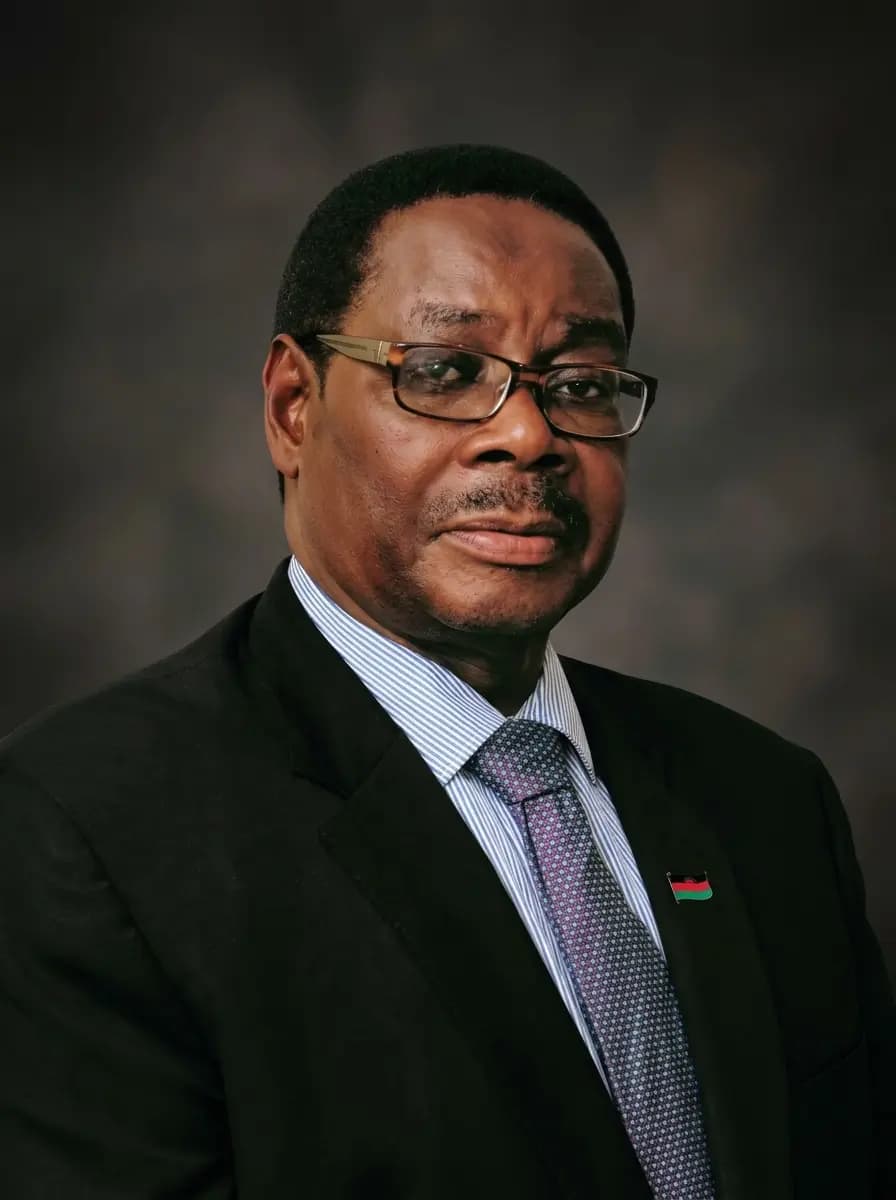
His Excellency Prof. Arthur Peter Mutharika is the President of the Republic of Malawi. He was sworn in on 4 October 2025, following the general election of 16 September 2025.
A professor of law, President Mutharika previously led the country from 2014 to 2020. As Head of State and Government he directs the policy of the Government of Malawi, which the Consulate General represents in Mauritius.
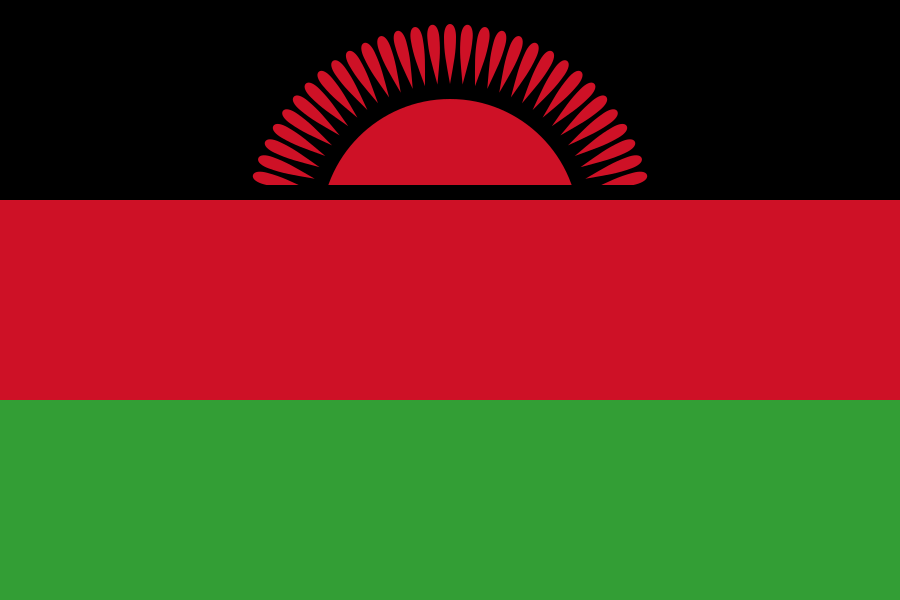
The National Flag
The flag of Malawi has three equal horizontal stripes of black, red and green, with a red rising sun in the centre of the black stripe. It was first hoisted at independence, and each colour carries a meaning.
Black
The people of Africa.
Red
The blood of the martyrs of African freedom.
Green
The ever-green nature of Malawi.
The rising sun
A red sun with 31 rays rises on the black stripe — the dawn of hope and freedom for the continent of Africa.
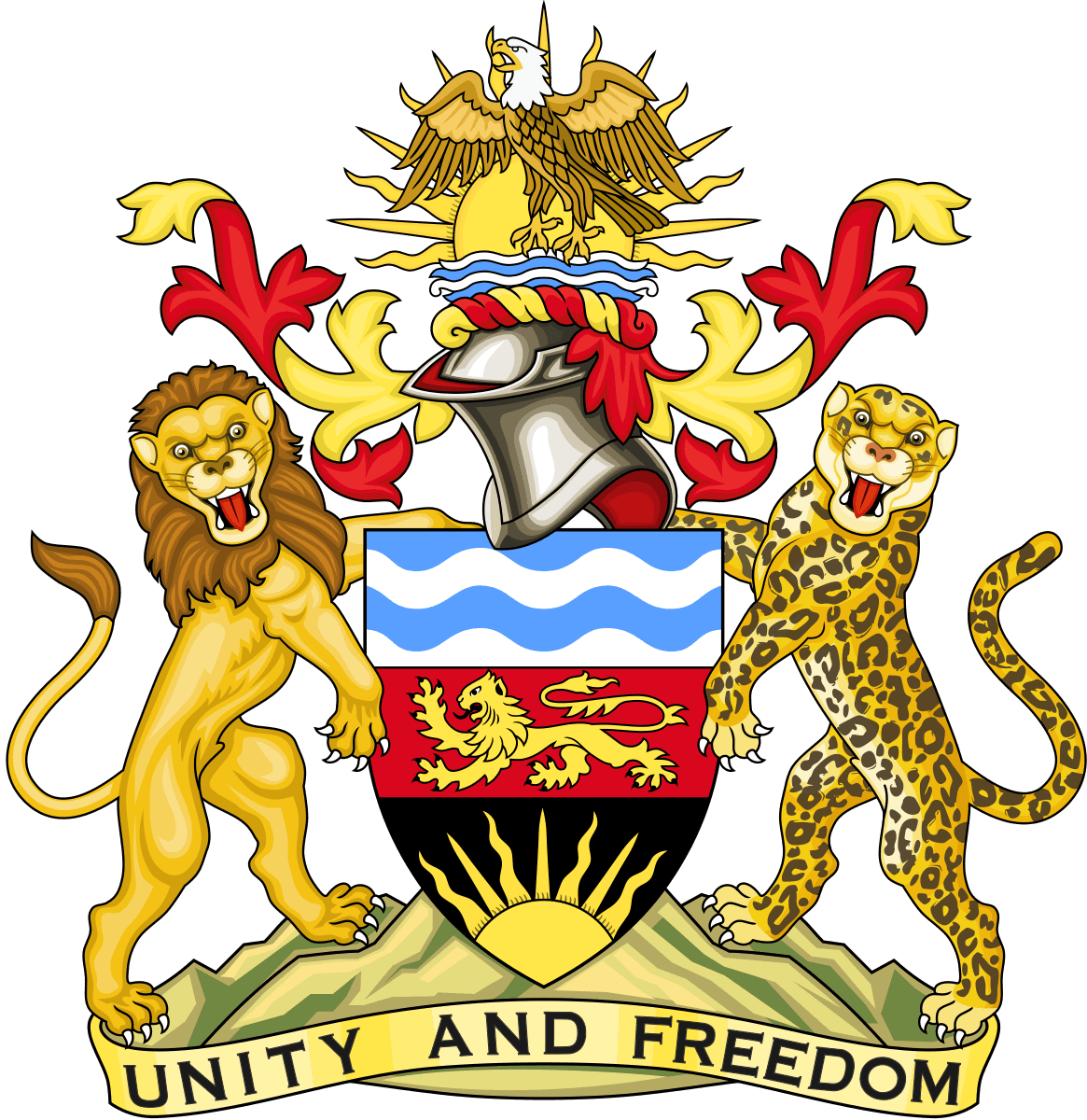
The Coat of Arms
The Consulate General acts under the coat of arms of the Republic of Malawi, adopted at independence in 1964. Its elements show the country's lake, mountains and wildlife, and its hope for the future.
The fish eagle
An African fish eagle crowns the arms. Together with the waves beneath it, the bird of the lakeshore stands for Lake Malawi.
The waves
Wavy bands of blue and white across the top of the shield represent the waters of Lake Malawi.
The lion on the shield
A golden lion strides across the red band at the centre of the shield.
The rising sun
A golden sun rises on the black field at the base of the shield, and again behind the eagle — the dawn of freedom in Africa.
The lion and the leopard
A lion and a leopard stand on either side, supporting and guarding the shield.
Mount Mulanje
The rugged ground on which the arms stand represents Mount Mulanje, the highest mountain in the country.
“Unity and Freedom”
The national motto on the scroll has guided Malawi since independence.
The National Anthem
The national anthem is “Mlungu dalitsani Malaŵi” — in English, “O God Bless Our Land of Malawi”. Words and music were written by Michael-Fredrick Paul Sauka, and the anthem was adopted at independence in 1964.
It is a prayer for the nation: for peace, for unity among its people and for freedom from hunger, disease and envy. It is sung in Chichewa and in English.
Public Holidays
Malawi observes the following public holidays. When a holiday falls on a Saturday or Sunday, the following Monday is normally observed.
New Year's Day
1 January
John Chilembwe Day
15 January — in memory of the Reverend John Chilembwe and the uprising of 1915
Martyrs' Day
3 March — honouring those who gave their lives in the struggle for freedom
Good Friday
Date varies each year (March or April)
Easter Monday
Date varies each year (March or April)
Labour Day
1 May
Kamuzu Day
14 May — birthday of the first President, Dr Hastings Kamuzu Banda
Independence Day
6 July — the national day
Mother's Day
15 October
Eid al-Fitr
End of Ramadan — the date depends on the sighting of the moon
Christmas Day
25 December
Boxing Day
26 December
Discover more of Malawi
See what the country offers to visitors, or explore its economy and the opportunities for trade and investment.